
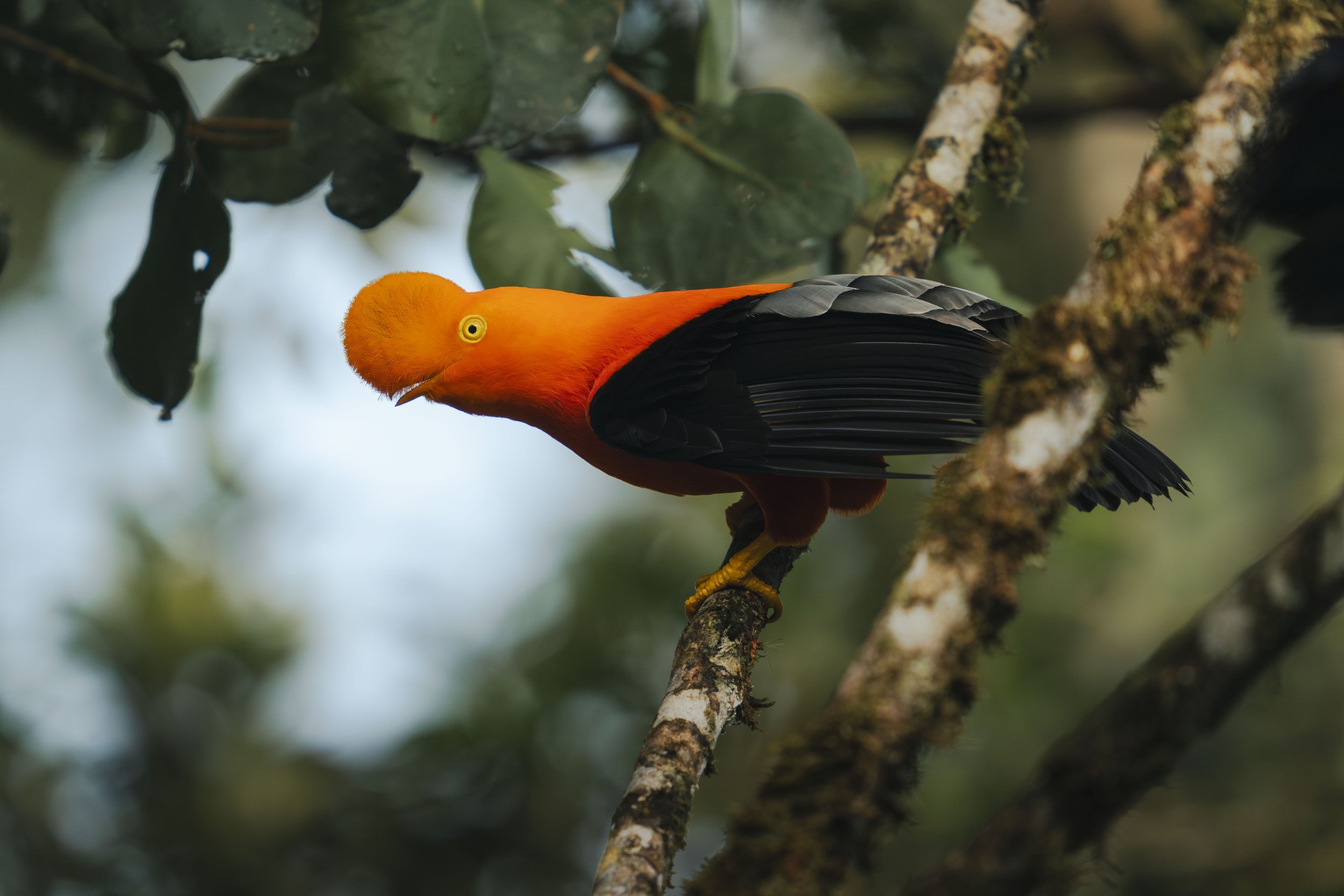
Ecuador Bird Photography Workshop
From Andean Páramo to the Cloud Forest & Amazonian Foothills
JANUARY 15-22, 2027
What to Expect
Join award-winning wildlife filmmaker and photographer Ryan Wilkes, and professional bird guide Andrés Trujillo for an intimate and exciting 8-day journey through some of Ecuador's most spectacular birding locations.
Small Group
There is a maximum of 6 workshop participants, meaning that everyone will be given the space, time and attention they deserve to create images they’re proud of. We will have time in the evenings to dive into your images and work on your editing workflow.
Photography Focused
Our main focus is ethical wildlife photography, and our guides are excellent at putting you in the best position to make a great photograph, while respecting the welfare of the wildlife.
Local Experiences
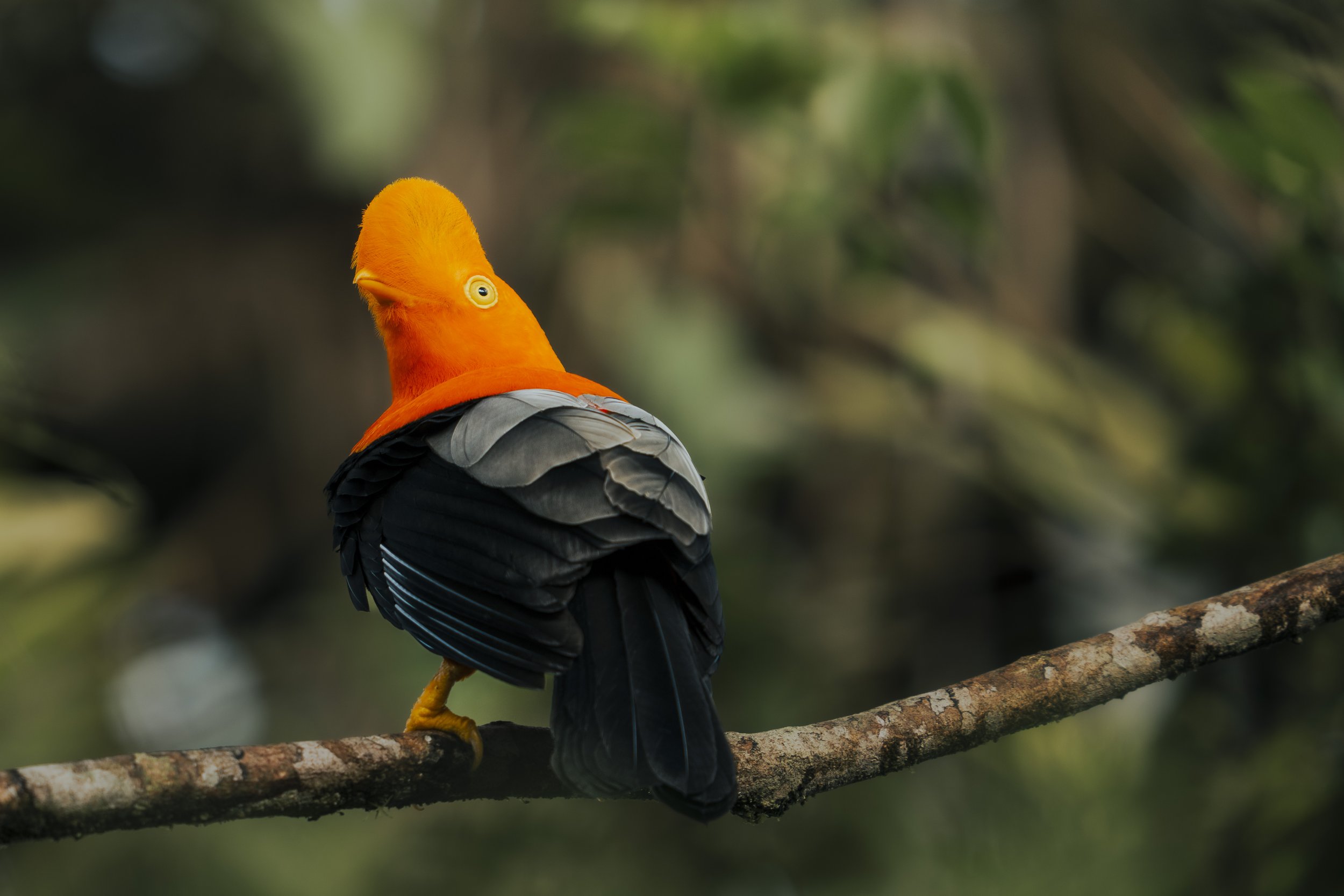
We’ll have the opportunity to visit Amarun Pakcha, an indigenous-led organization fighting to protect their piece of the Amazon on the Eastern slopes of the Andes. They have one of the best Andean Cock-of-the-Rock leks on earth! We’ll also be led by local guides who know these ecosystems (and the birds) better than anyone else.
A Supportive Space
My events prioritize safety, respect and education. Not only do I want you to leave with dozens of lifers and print-worthy images…I want you to enjoy the process!
Your Guides
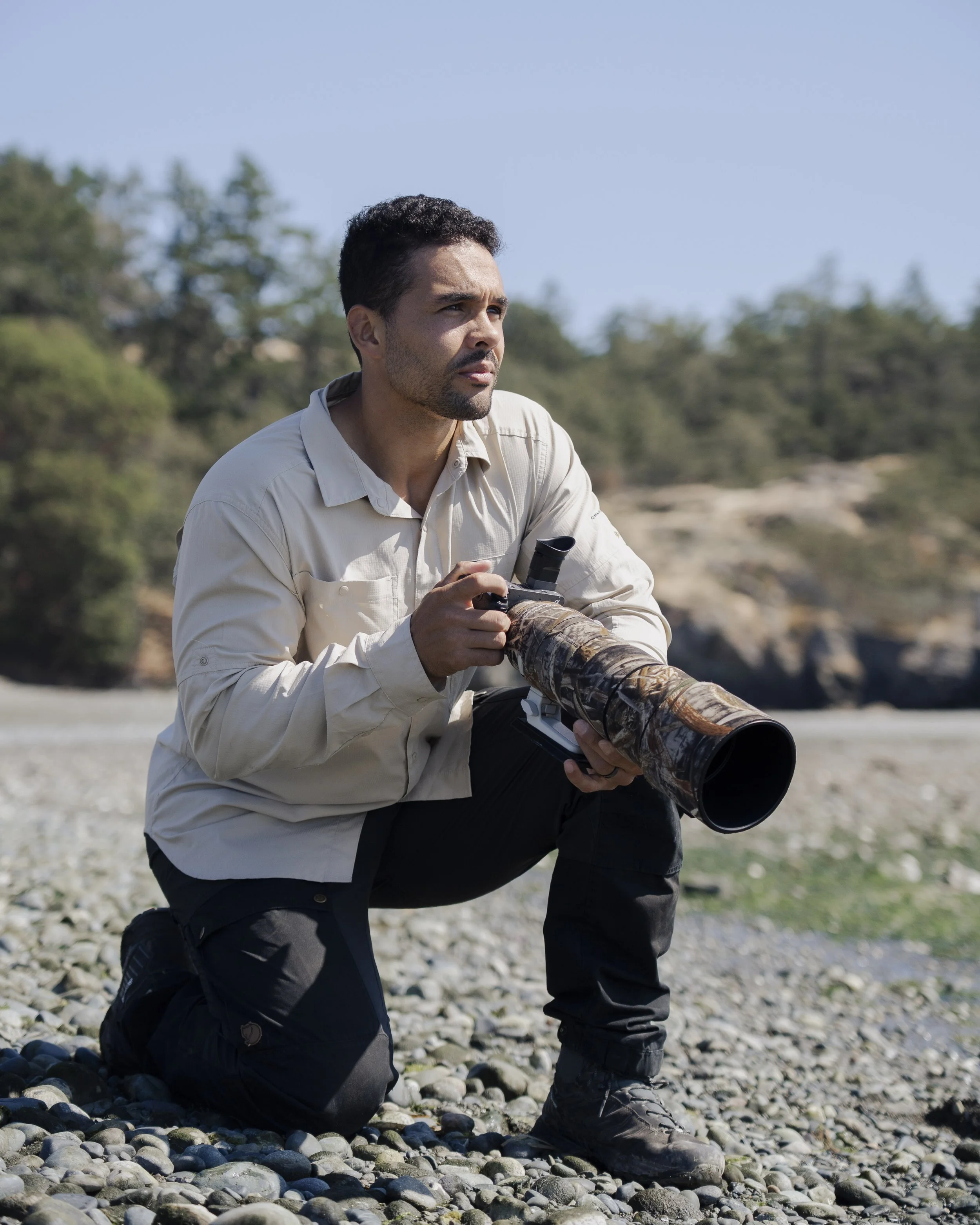
Ryan Wilkes
Ryan is a Canadian documentary filmmaker and photographer with a passion for conservation, birds and travel. His short documentary about Anna’s hummingbirds, The Bird in My Backyard, won at Jackson Wild, Wildscreen and the Banff Mountain Film Festival, and has been watched over 2.4 million times on YouTube.
He has filmed on all seven continents and is well known for his bird cinematography. Ryan has twice won categories in Canadian Geographic’s Wildlife Photographer of the Year competition.
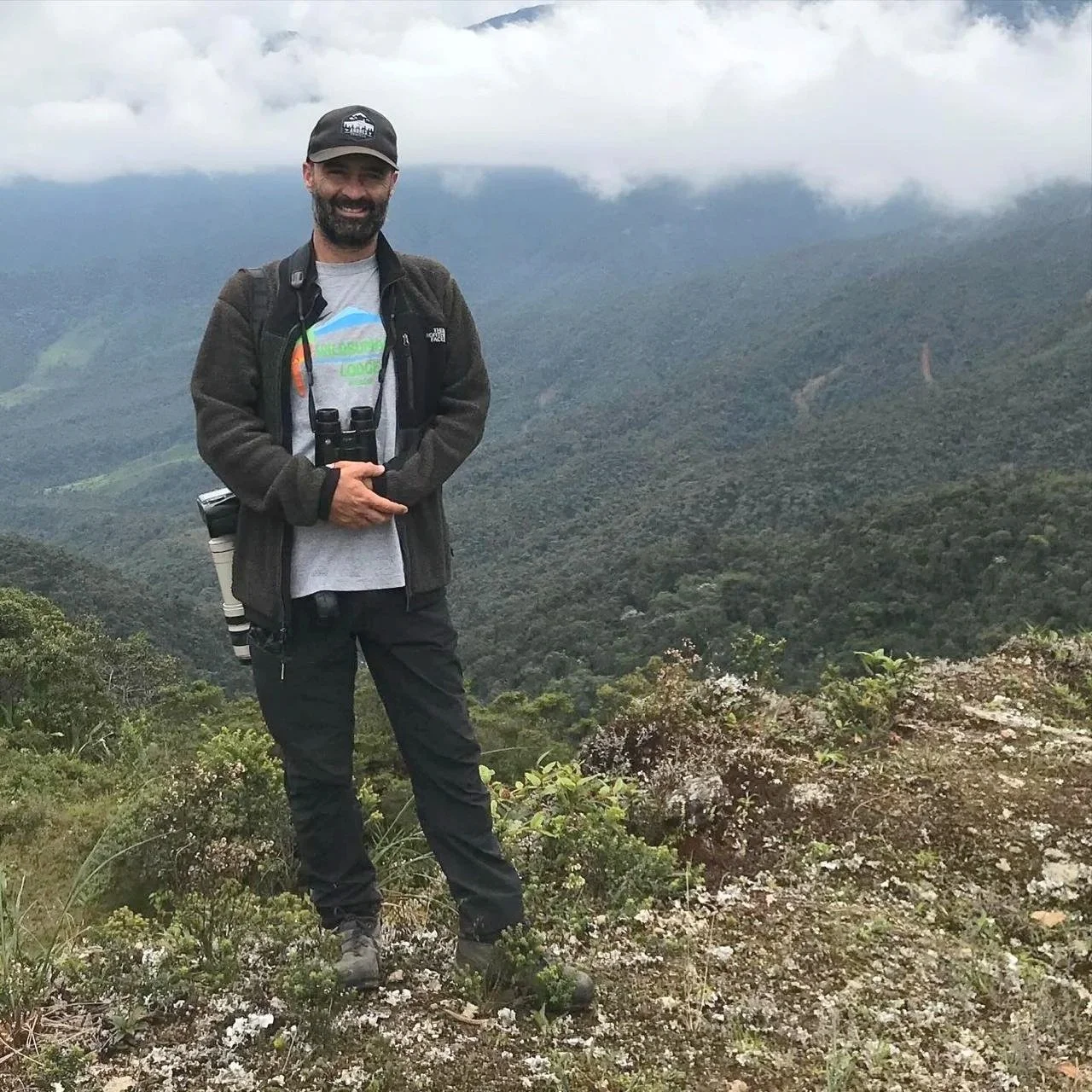
Andrés Trujillo
Andrés Trujillo is a world-renowned professional naturalist and guide from Bogotá, Colombia. With years of experience in Ecuador's humid northwest rainforest, he’s developed a deep passion for wildlife, conservation, and sharing nature's wonders with others.
Andrés has worked closely with indigenous communities in the Amazon and specializes in high-end birding and adventure tours throughout Latin America. As a skilled wildlife photographer himself, he understands exactly what it takes to capture special moments in the field, making him an ideal companion for photographers seeking wildlife encounters.
The Important Stuff
Cost: $4500 USD per person
Start/End: Quito, Ecuador
Dates: January 15-22, 2027
6 Guests per workshop
For booking terms & conditions, please see the bottom of this page. To book your spot, please email ryan@ryanwilkes.com
Supporting Conservation at Amarun Pakcha
A highlight of this workshop is our time at the Amarun Pakcha Foundation, where we'll spend two full days. This organization is on the front lines of protecting threatened foothill rainforest that has faced intense pressure over the past seven years. In 2025 I spent a week at Amarun Pakcha, making a documentary about their important work.
Here, you'll have exclusive access to feeders attracting Gray-cowled Wood-Rails and Rufous-breasted Wood-Quails, and a viewing platform overlooking an active Andean Cock-of-the-Rock lek. It’s one of the coolest things you’ll ever see! The surrounding forest harbours Amazonian Umbrellabird and an incredible diversity of tanagers including Paradise, Golden-naped, Flame-faced, and Beryl-spangled.
By participating in this workshop, you're directly supporting the protection of this irreplaceable ecosystem and the communities working to save it.
Itinerary
Day 1
Arrival
Arrival at Quito's international airport (UIO) and transfer to La Jimenita, our comfortable base in the capital. Evening meetup, briefing and gear check before resting up for a big week!
Day 2
Antisana National Park
We head to Antisana Reserve's 120,000 hectares of forest and páramo moorlands, ranging from 4,592 to 18,712 feet in elevation. At La Mica Lake, we'll search for high-altitude specialists including Andean Condor, Carunculated Caracara, Silvery Grebe, Giant Hummingbird and the stunning Ecuadorian Hillstar.
Lunch at Tambo Condor cabin before departing to Guango Lodge.
Day 3
Guango Lodge to Rio Quijos
Morning photography at Guango Lodge's feeders and forest trails, targeting the rare Mountain Avocetbill, Sword-billed Hummingbird, Gray-breasted Mountain-Toucan, and Turquoise Jay. We'll work the river for White-capped Dipper and Torrent Duck before moving to Rio Quijos Ecolodge, a privately-owned reserve protecting nearly 1,200 hectares of humid montane forest at 6,800 feet elevation.
Day 4
Rio Quijos (Full Day)
A full day to explore the incredible diversity of this elevation. Hummingbird feeders offer opportunities for Long-tailed Sylph, Collared Inca, Tyrian Metaltail, and the rare Buff-tailed Coronet. We'll search the forest for Crested and Golden-headed Quetzals, Chestnut-crowned Antpitta, and mixed species flocks. Evening owl photography targeting Black-banded Owl.
Day 5
Rio Quijos to Amarun Pakcha
Transfer to Amarun Pakcha Foundation in the threatened foothill rainforest of the Sumaco volcano. This conservation-focused lodge offers exclusive access to feeders attracting Gray-cowled Wood-Rail and Rufous-breasted Wood-Quail, plus a viewing platform at an active Andean Cock-of-the-Rock lek. The surrounding forest holds Amazonian Umbrellabird and spectacular tanager diversity.
Day 6
Amarun Pakcha (Full Day)
Full day working the feeders, lek platform, and forest trails. Optional hike to photograph waterfalls and 2,000-year-old petroglyphs. Afternoon session at higher elevations for additional species, with possible visit to Wildsumaco's feeders depending on conditions and group interests.
Day 7
Amarun Pakcha & Return to Quito
The final morning to photograph your target species at the foundation before our return journey to Quito. Last chance for those perfect cock-of-the-rock lek shots or wood-rail portraits. If we have time, and we’re lucky, we might be able to spot spectacled bears on our way back to Quito.
Day 8
Departure
Transfer to the international airport for departing flights.
Transfer to and from Quito international airport
Private 4x4 vehicle and driver for the entire journey
All hotels and lodges (double occupancy)
All meals from dinner on Day 1 through breakfast on Day 8
Professional bird guide for the entire tour
Local specialist guides where needed
Access to all reserves, feeders, and private locations
All entrance and permit fees
Hands-on photography, videography and editing instruction from Ryan Wilkes
What’s included?
International flights to/from Quito
Gratuities for guides and drivers
Health and travel insurance (required)
Alcoholic beverages
Personal expenses and laundry
Single room supplement ($299 USD)
What’s not included?
Price & Booking
The total cost of the workshop is $4500.00 USD per person.
If you would like to have your own room, the cost of a single supplement is an additional $299 USD.
A 50% deposit is required to reserve your spot.
To make your booking, please email ryan@ryanwilkes.com.
FAQs
I consider myself to be a beginner photographer. Can I still join this workshop?
Absolutely! This workshop is designed for all skill levels, from beginners to advanced photographers. My teaching approach is hands-on and adaptable and I work with each participant based on where they are in their photography journey. Whether you're just learning how to use manual mode or you're looking to refine your composition and storytelling, I'll provide the guidance you need. You'll also benefit from working alongside professional birding guides who can help you find and observe the birds, so you can focus on learning to photograph them. The small group size (maximum 6 people) ensures everyone gets personalized attention.
Do I need to get any vaccinations for this trip?
While I'm not a medical professional and cannot provide medical advice, I recommend consulting with a travel medicine clinic or your doctor at least 6-8 weeks before departure. They can advise you based on current health guidelines for Ecuador and your personal medical history. Common recommendations for Ecuador often include routine vaccinations (MMR, tetanus, etc.) and may include hepatitis A, typhoid, and yellow fever depending on your itinerary. The areas we're visiting are primarily highland and cloud forest locations, which typically have lower mosquito-borne disease risk than lowland Amazonia, but professional medical advice is essential. Your travel insurance should include medical coverage and evacuation.
What level of physical fitness is required?
Participants should have a basic level of fitness for short hikes and the ability to be at altitude for several hours at a time. Our Day 2 visit to Antisana Reserve reaches elevations above 18,000 feet, though we won't be doing strenuous hiking at this altitude, mostly working from the vehicle and short walks to observation points.
The cloud forest and foothill locations involve moderate walking on established trails. None of the photography requires extreme physical exertion, but you should be comfortable being on your feet for several hours and navigating uneven terrain.
If you have concerns about altitude or physical requirements, please reach out. I'm happy to discuss the itinerary in detail.
What will the meals be like?
All meals from dinner on Day 1 through breakfast on Day 8 are included. You'll experience a mix of traditional Ecuadorian cuisine and international dishes at our lodges and local restaurants. Expect fresh, locally-sourced ingredients, often featuring quinoa, potatoes, corn, fresh vegetables, and proteins like chicken, trout, and beef.
The lodges we stay at are accustomed to hosting international guests and typically offer hearty, nourishing meals designed for active days in the field. Breakfasts are substantial to fuel morning photography sessions, and packed lunches are provided when we're spending full days at remote locations.
What will the weather be like?
January is during Ecuador's wet season, but weather varies significantly by elevation and location. Although it’s a little bit wet, it’s one of the best times of year for bird activity!
Quito and high altitude (Antisana): Cool to cold, especially at elevation. Daytime temperatures in Quito average 60-65°F (15-18°C), but at Antisana's high elevations expect 35-45°F (2-7°C). It can be windy and conditions change quickly in the páramo. Bring warm layers, windproof jacket, and gloves.
Cloud forest (Guango, Rio Quijos): Mild and often misty, with temperatures around 50-65°F (10-18°C). Rain and drizzle are common. Humidity is high, so quick-dry fabrics work best.
Foothill rainforest (Amarun Pakcha): Warmer and more humid, averaging 65-75°F (18-24°C). Afternoon rain showers are typical. Lightweight, breathable rain gear is essential.
Overall, pack for layering. You'll experience everything from cold high-altitude wind to warm, humid rainforest in a single day. Waterproof gear for both yourself and your camera equipment is essential. Reach out if you need recommendations.
What equipment should I bring?
I will send a full packing list prior to the trip, but here is a brief overview of recommended camera gear.
Telephoto lens: Minimum 400mm focal length equivalent lens (full frame). 600mm or longer is highly encouraged for distant subjects, lek photography, and high-altitude birds.
Wide-angle lens: 24-70mm range for habitat shots and environmental portraits (optional but recommended).
Tripod or monopod: I usually photograph birds handheld, but if you prefer to use a tripod or monopod, that’s great! If you want to film the birds, a tripod is essential.
Memory cards and batteries: Bring plenty of backups!
Rain protection: Covers or bags for your camera gear.
Can you accommodate dietary restrictions?
Yes! Please let me know about any dietary restrictions, allergies, or food preferences when you register. The lodges we work with are experienced with international guests and can accommodate vegetarian, vegan, gluten-free, and most other dietary needs with advance notice. The more specific information you provide, the better we can ensure your meals are both safe and enjoyable throughout the trip.
Terms & Conditions
A deposit of 50% of the total cost is required to confirm your reservation for the workshop.
The deposit is 50% refundable until July 1, 2026.
After July 1, 2026, no refunds will be issued.
The remaining balance is due by October 1, 2026.
Full payment is required upon booking if your reservation is made after October 1, 2026
Liability Disclaimer
By registering for this workshop, participants acknowledge that wildlife photography and travel to remote locations involves inherent risks. Ryan Wilkes, associated guides, and partner organizations are not liable for any injury, illness, loss, damage, delay, or expense arising from circumstances beyond our control, including but not limited to:
Weather conditions, natural disasters, or acts of nature
Wildlife behavior and animal encounters
Political unrest, strikes, or government actions
Transportation delays or cancellations
Altitude-related illness or medical conditions
Loss or damage to personal equipment
Changes to itinerary necessitated by safety concerns or unforeseen circumstances
Actions or negligence of third-party service providers including lodges, transportation companies, and local guides
Participants are responsible for ensuring they have adequate travel and health insurance, are physically capable of participating in activities, and follow all safety guidelines provided by instructors and guides. While every effort will be made to provide the experiences described in this itinerary, specific wildlife sightings and photographic opportunities cannot be guaranteed.
Participants agree to hold harmless Ryan Wilkes and all associated parties from any claims, liabilities, or expenses arising from their participation in this workshop.